Elegance Arranged
The table you set
is a record of
what you kept.
Tablesse is where collectors of fine china, crystal and silver catalogue what they own, design the tables they set, and find the one piece that finishes the service.
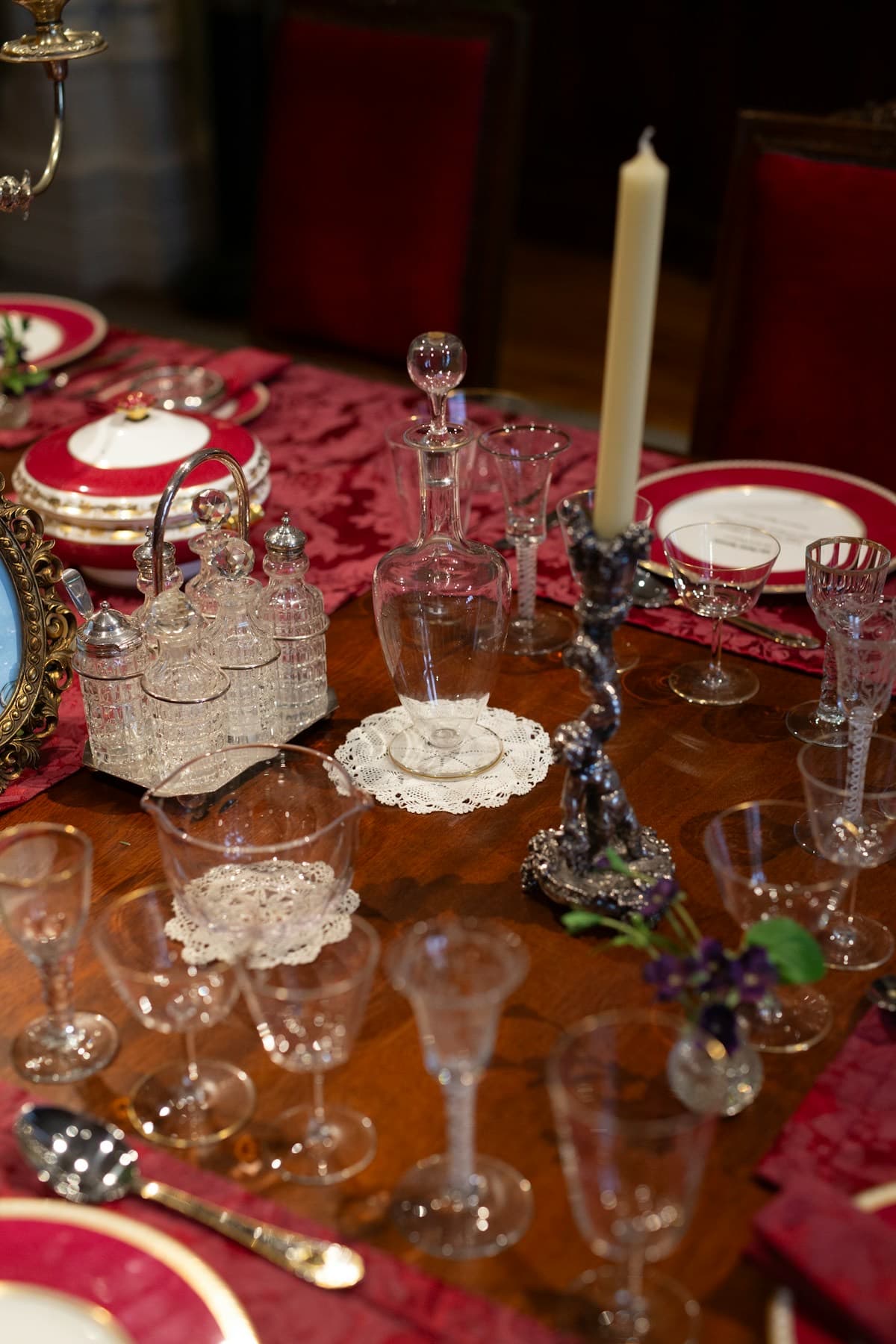
What we care about
Four materials, endlessly particular.
A pattern is not a product code. It is a glaze, a rim, a weight in the hand, and a factory that may have closed a century ago. Tablesse is built for people who can tell the difference.
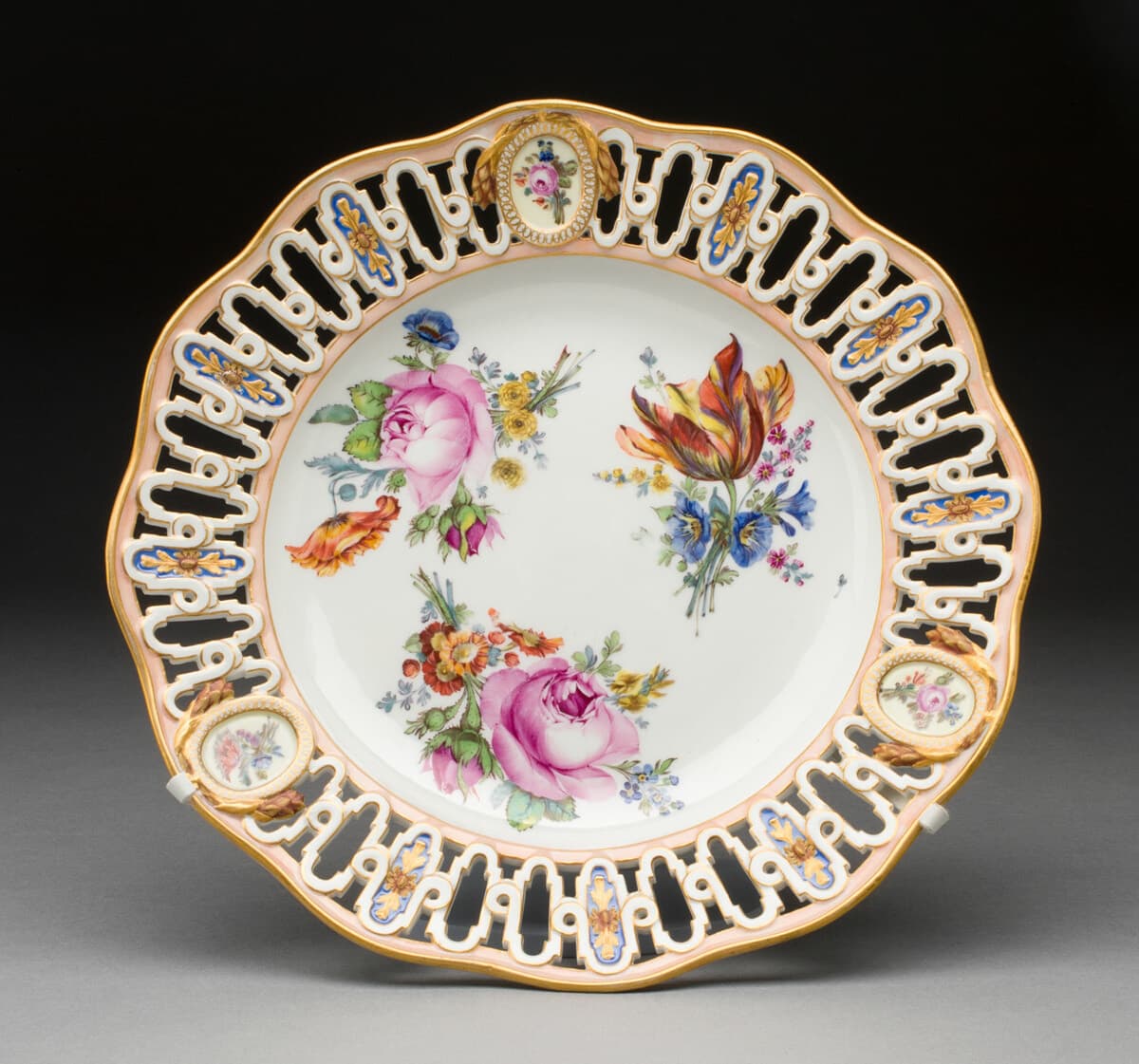
Porcelain
Meissen, 1780/1800
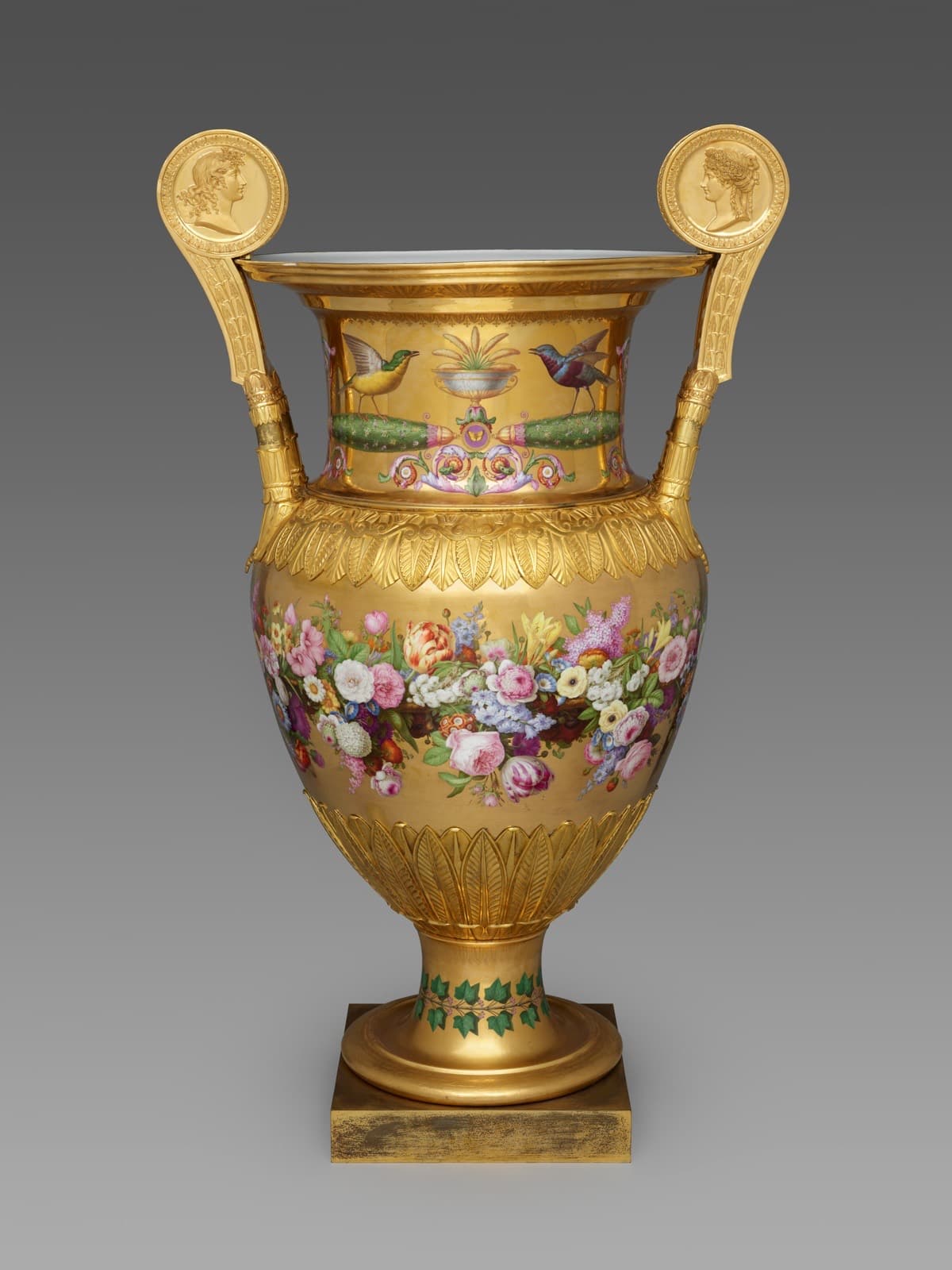
Gilding
Sèvres, 1813
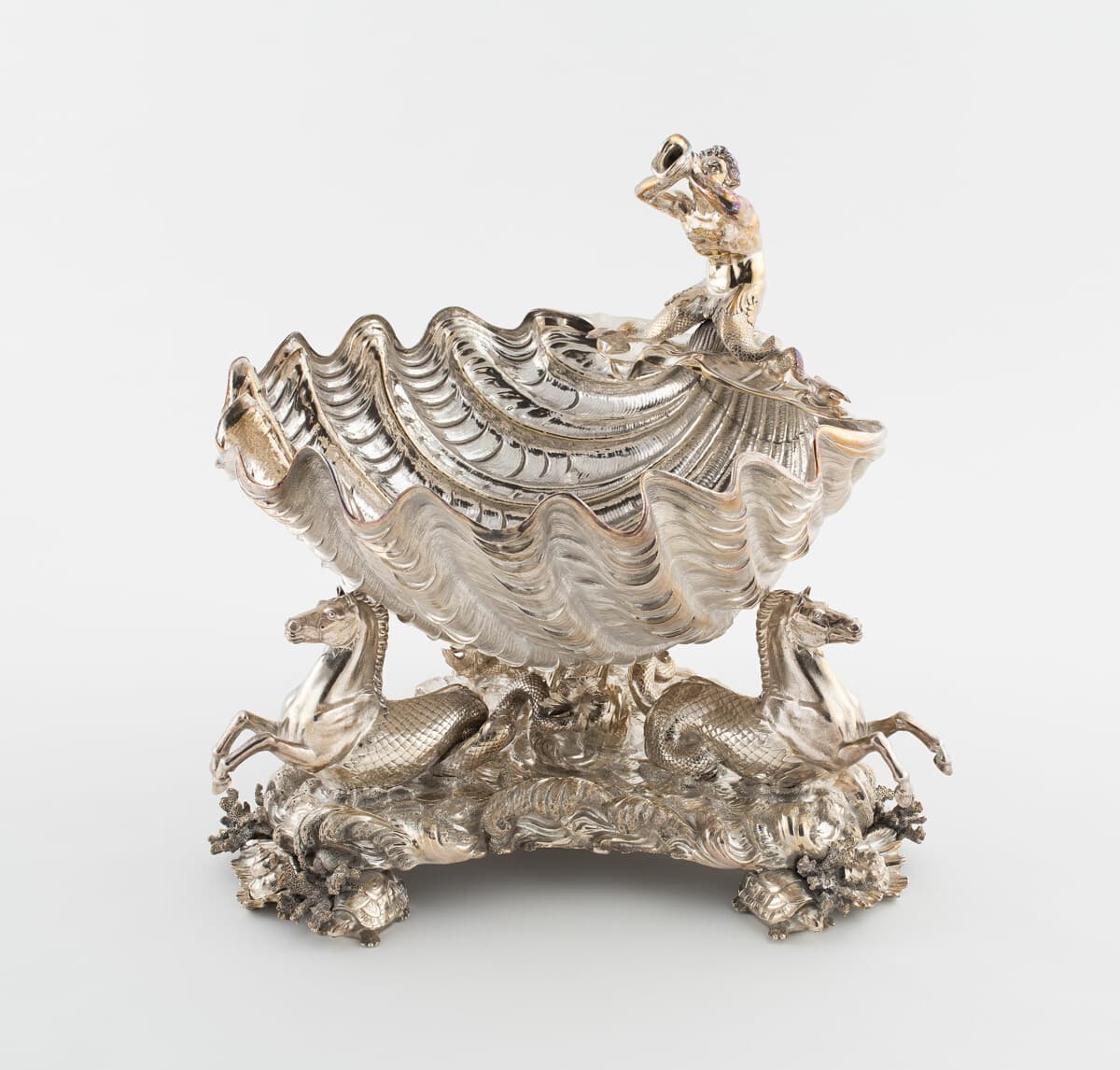
Silver
John Bridge, London, 1824
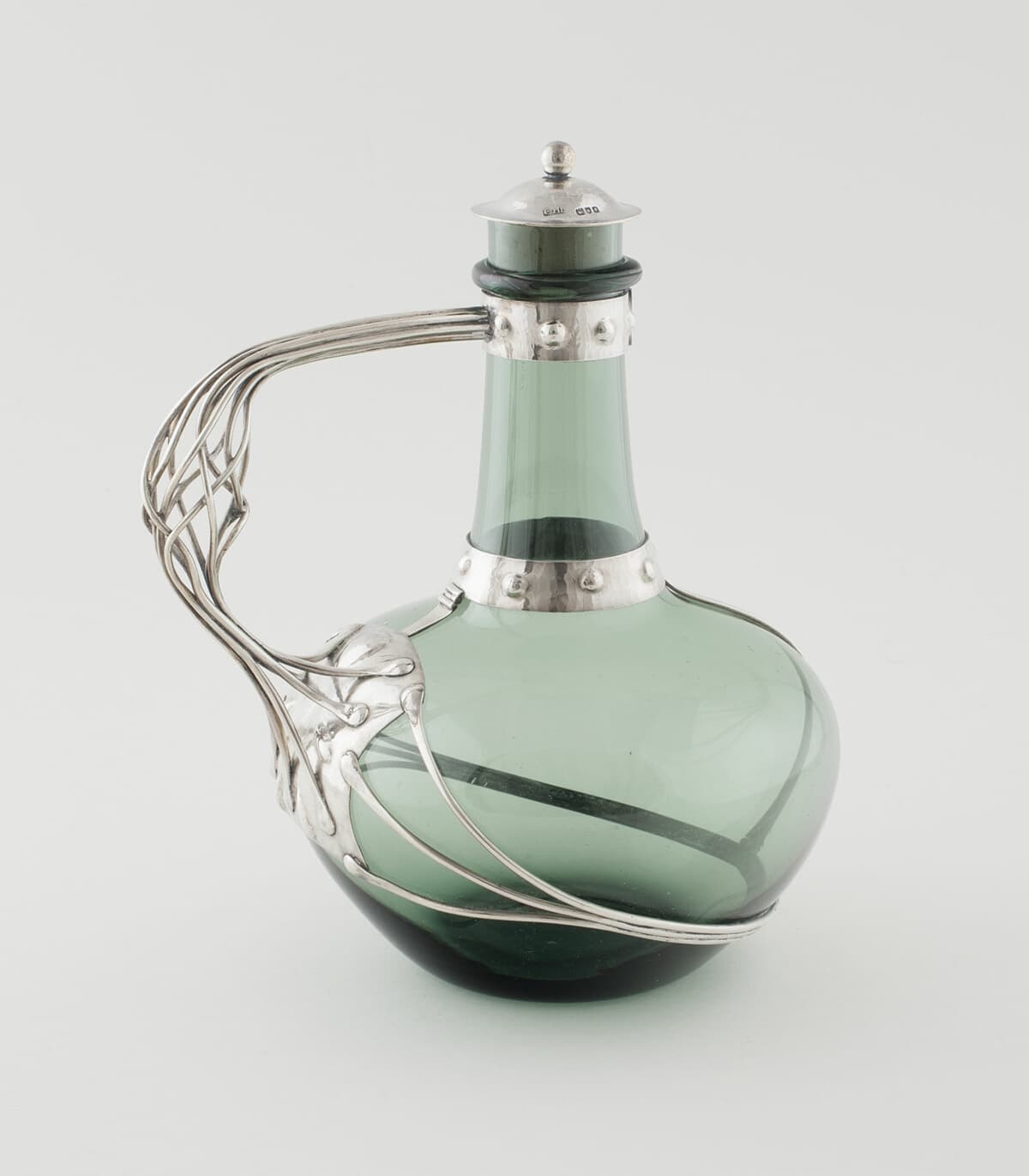
Glass
C. R. Ashbee, 1901
Catalogue what you own
Photograph each piece once. Tablesse lifts it from its background, reads its palette, and files it against a canonical maker and pattern — so a service is a record, not a shelf you half remember.
Design before you set
Build a place setting or a whole table from pieces you actually have. Try the Wedgwood against the linen, see it, change your mind — before anything leaves the cabinet.
Complete the set
Six dinner plates and four salads is a gap with a name. Follow a pattern and hear the moment a matching piece is listed by another collector.

The marketplace
Sold by people who know what it is.
Every listing carries its maker, pattern and piece type, its condition with photographic evidence, and a seller you can look up. Buy, trade, or rent a service for one evening.
Buying with confidence
What happens if it goes wrong.
Sending several hundred dollars to a stranger for something fragile is a reasonable thing to hesitate over. Here is exactly what protects you — all of it enforced, none of it goodwill.
Sellers are identity-verified before they can be paid
Payouts run through Stripe Connect, so a seller completes Stripe’s identity and bank verification before a single payment can reach them. Listings from verified sellers carry a badge.
Read the Seller AgreementEvery listing must show its backstamp and its flaws
A piece cannot be published without an overall photograph and a photograph of its backstamp or maker’s mark — and any defect the seller declares needs its own close-up. The database rejects the listing otherwise.
See it on the listingsCovered if it never arrives, arrives damaged, or isn’t what was described
Open a case from your order, attach photographs, and request a full or partial refund up to what you paid. Approved refunds return to your original payment method, including a pro-rata share of the processing fee.
Read Buyer ProtectionRental deposits are held, not charged
A security deposit on a rental is authorised and released when the piece comes back in acceptable condition. It is only captured against documented damage.
Read Buyer Protection

Provenance
Most collections start as an inheritance nobody can identify — a box of gilded cups and a name half remembered.
Photograph a backstamp and Tablesse will tell you what you are holding, what belongs beside it, and what it is worth insuring for. What was a cupboard becomes a documented collection.
Identify your first piece